
How to choose the right kind of refinance for you
When you decide to refinance, you might be surprised that there are many types of refinances from which to choose.

When you decide to refinance, you might be surprised that there are many types of refinances from which to choose.
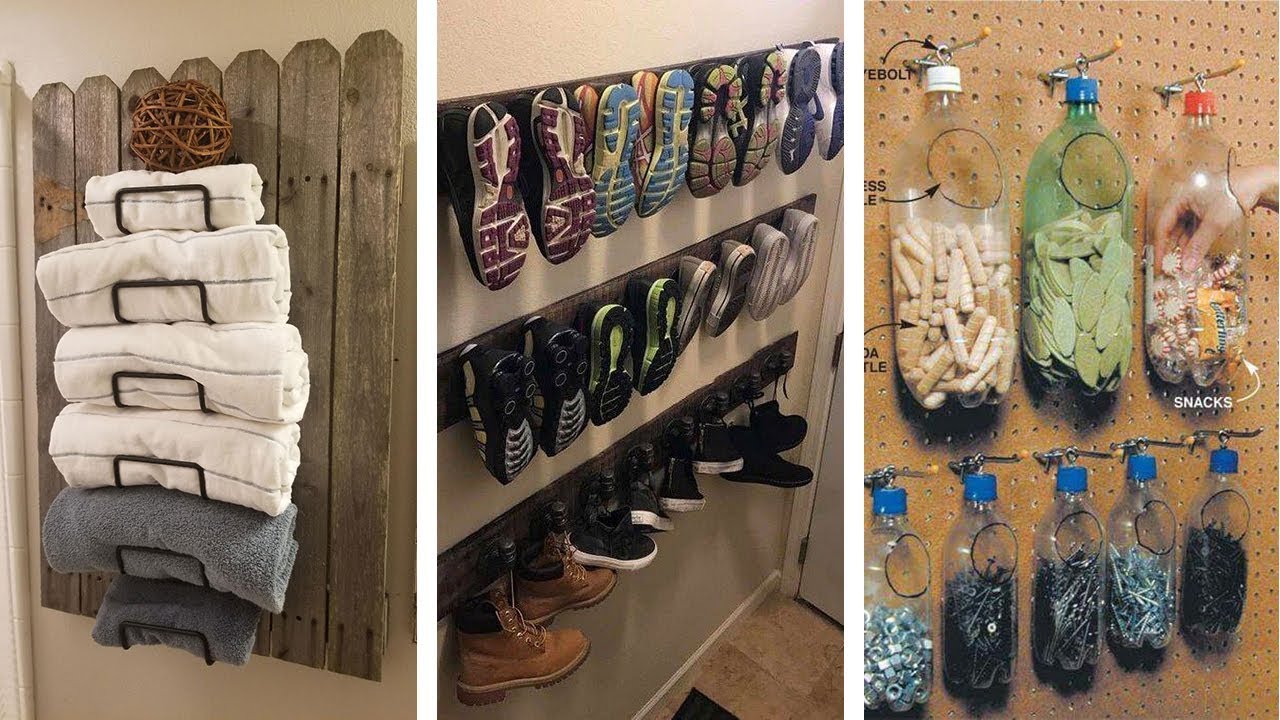
Storage space can be a huge problem for people who have too many things and live in small spaces. Eventually, you start keeping things in empty spaces around your house, making it look untidy, messy, and cluttered. To avoid the messiness and make your home look organized, here are a few storage hacks you can create in your homes.

You probably never imagined taking financial advice from a computer program, but that’s exactly what a lot of people are doing these days. These programs are called robo advisors, and the best robo advisors have the potential to help you invest your money more effectively.
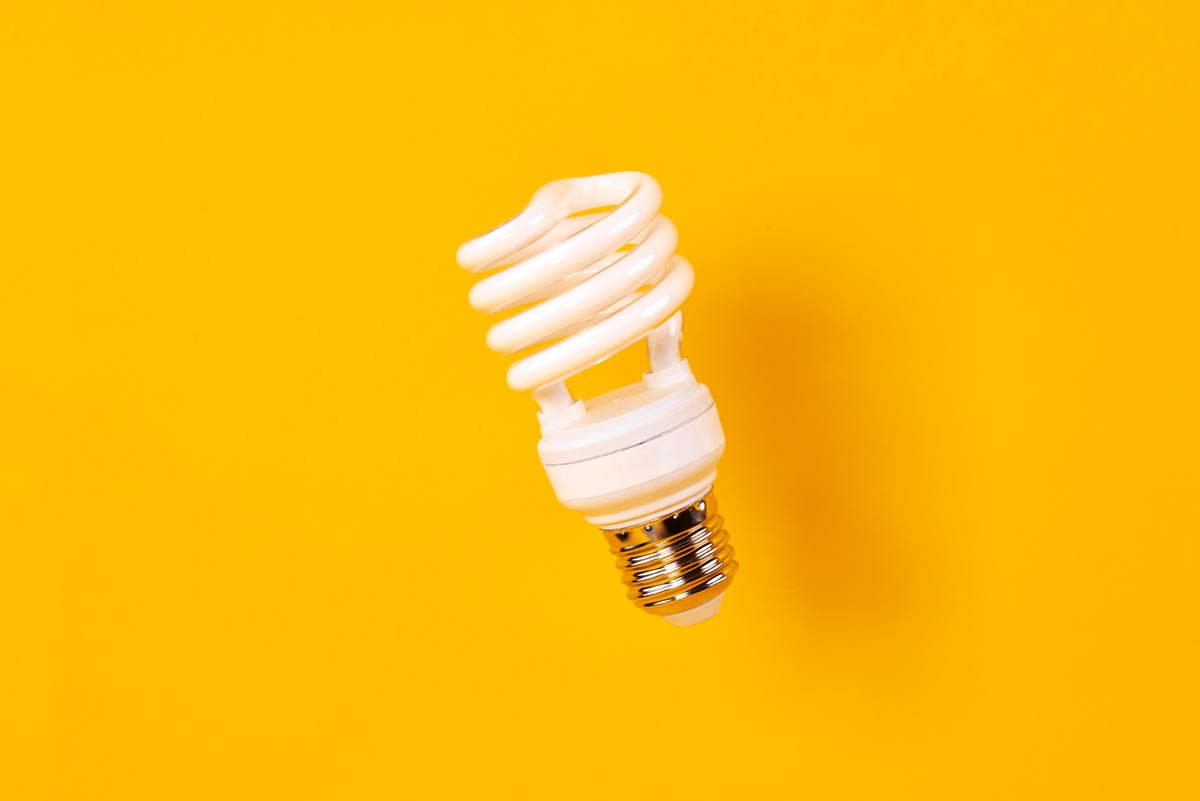
Making your home energy efficient is a worthy goal that every homeowner can achieve. We have tracked down the best in class in multiple categories, bringing you a range of possibilities and price points to fit different approaches and budgets.

All aboard! The cruise industry in booming with many new ships sailing this summer. Cruise lines are outdoing each other for the biggest and best ships.

Auto insurance is mandated by most states, but how much you actually buy beyond the minimum -- that's up to you.
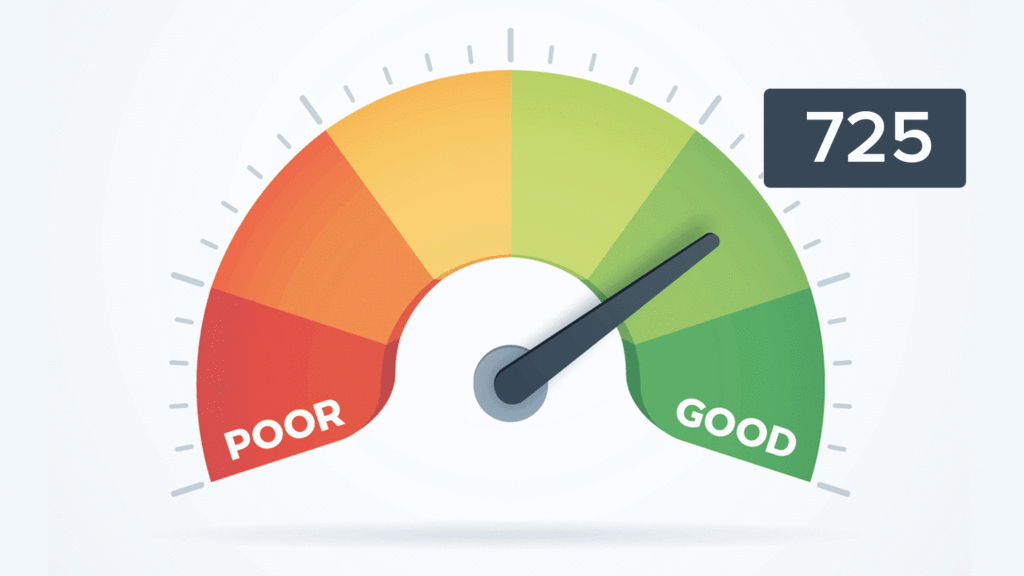
When it comes to your money, your credit score is one little number that says a lot about not only your past credit history, but also what’s to come when and if you want to borrow money in the future. What is a good credit score, exactly, though? Read on to find out!

The smart watch has been around for a few years now, and there’s no doubt they’re getting smarter by the day. Wearable tech can do some remarkable things these days.

If you’re asking “What’s the first step to buying a home?” — you’ve probably already made a decision that it’s time to get serious about becoming a homeowner.
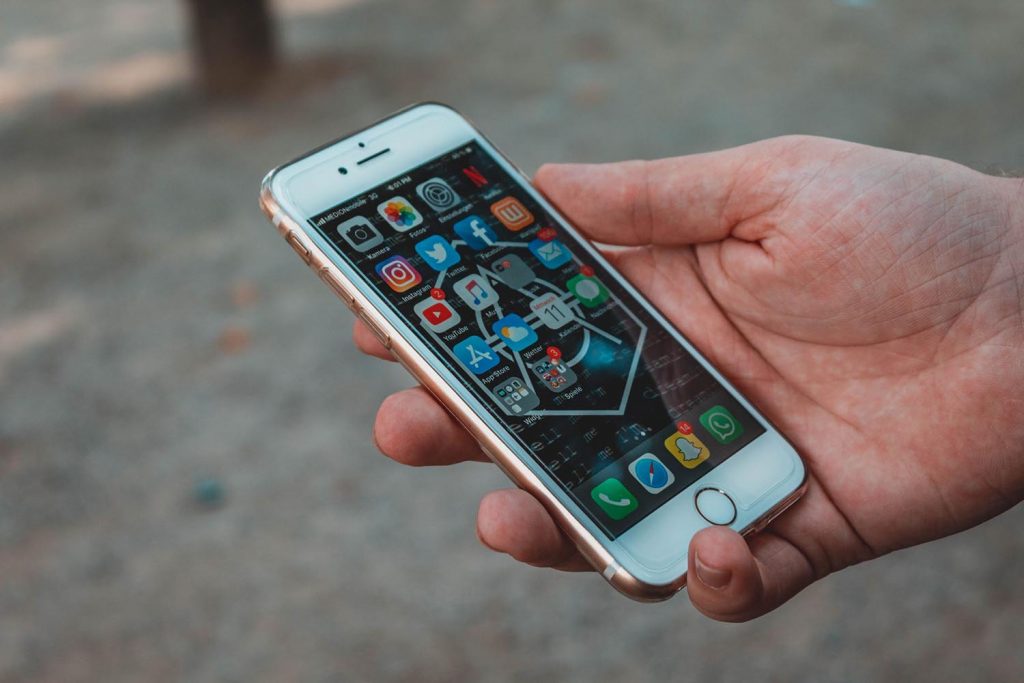
Once upon a time, people thought of seniors as tech-illiterate, but today’s research proves that’s not the case. One study shows that most baby boomers have smartphones, and you can bet that they know how to use them.